
South Tyrol history in short
South Tyrol, also called Sudtirol or Alto Adige, is the autonomous province of Bolzano in Italy. Its history explains why three languages share one province and why the region has its own rules. In a few steps: an iceman of the Copper Age, early Rhaetian and Roman influence, centuries under the Habsburgs, the border drawn in 1919, the 1939 Option and the autonomy of today.
You do not need to read a book before you travel. A guided walk in Bolzano, the Ötzi museum and a hike with stories from the First World War give you the same story on the ground. The timeline below helps you connect them.
Our picks: history walks and hikes
Our take: the two Bolzano walks follow the city's past on foot, while the Tre Cime hike adds the history of the Great War in the mountains.
Hand-picked tours, booked through GetYourGuide and Viator. Prices are indicative starting prices in euros (as of October 2026). Tap a tour for live availability and the current price in your currency.
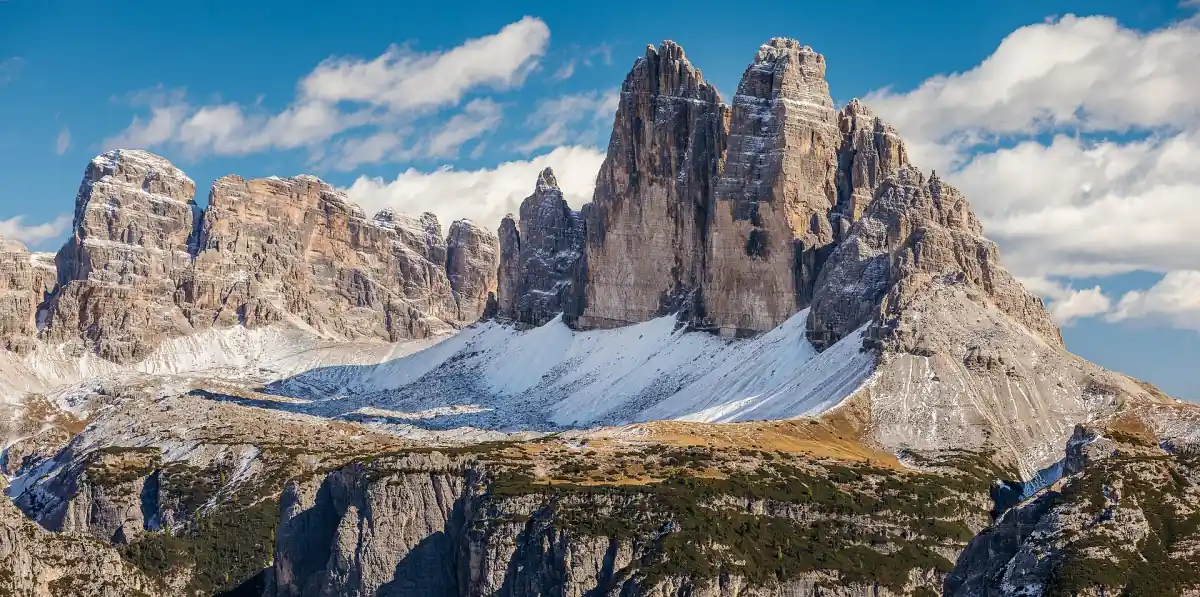
Guided mountain hike around the Three Peaks
- Toll road to Auronzo Refuge
- Guided tour and mountain hike
- Geology, Great War, zoology basics
The guide explains the geology, the history of the Great War and the wildlife along the hike. Extras at mountain huts, bars and restaurants are paid separately.
Check availability →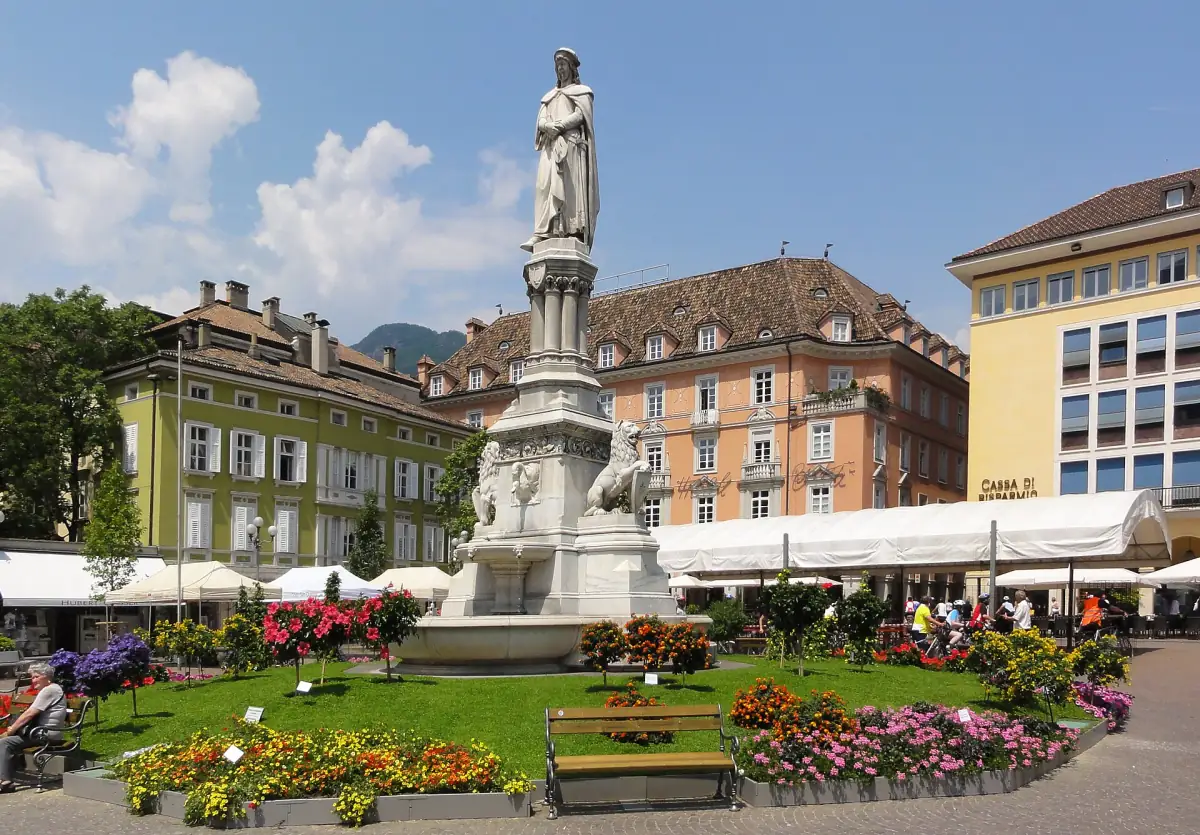
Two-hour historical walk through Bolzano
- Water
A guided historical walk through the old town and beyond. The listing names water as its only inclusion.
Check availability →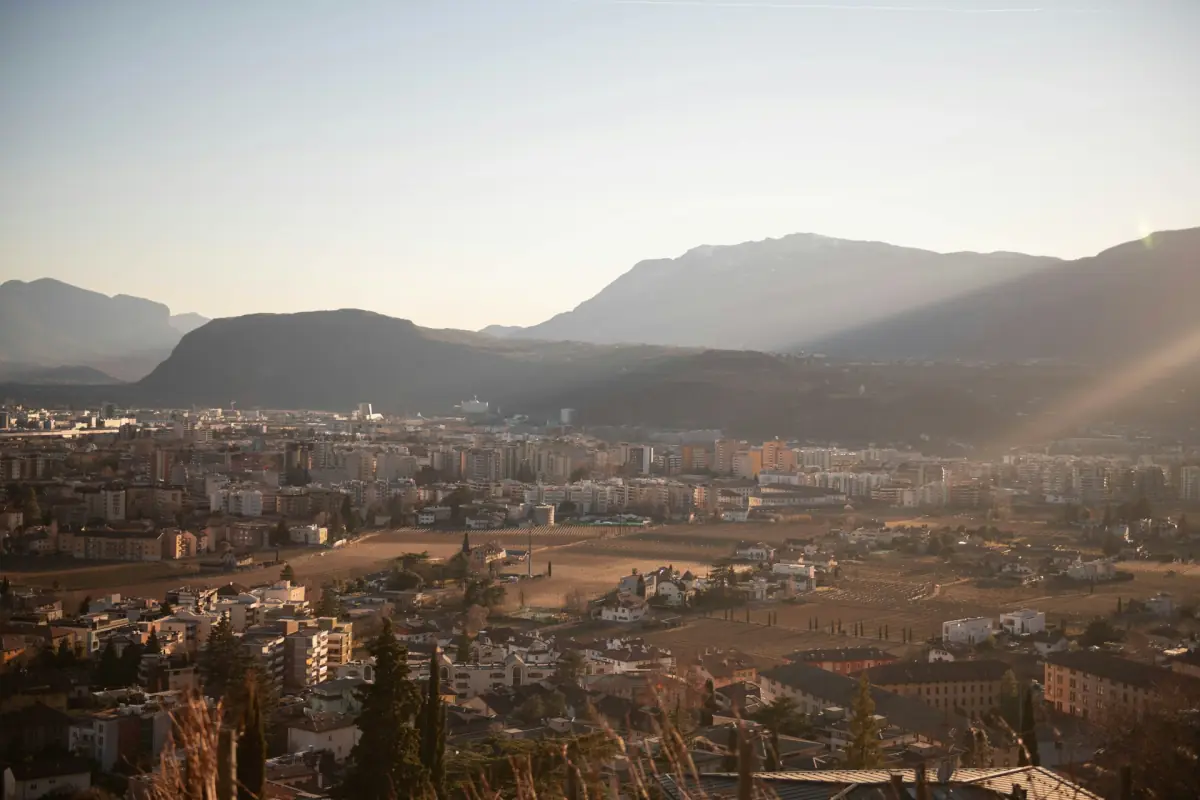
Small-group historical walk in Bolzano
- Walking tour of Bolzano
- Live tour guide
- Water and toilet breaks
Groups stay small, and the walk is a city tour rather than a museum visit.
Check availability →Historical tours in South Tyrol
Guided walks through Bolzano and a mountain hike with First World War history, with live prices and availability.
Ötzi and the Copper Age
The oldest story in the region.
Ötzi is a glacier mummy of the Copper Age. He was found in 1991 together with his clothes and equipment by hikers. He is not Roman: he lived long before the Romans. The mummy and his belongings are documented by the South Tyrol Museum of Archaeology in Bolzano. For tickets, opening hours and what to expect, read our Ötzi museum page.
Rhaetians, Romans and the Habsburgs
Early influences and a long Tyrolean chapter.
Rhaetians and Romans count among the early influences on the region. From 1363 Tyrol belonged to the Habsburgs, a long chapter that came before the changes of the twentieth century. Ladin, a third language, lives on today above all in the Gadertal and in Val Gardena. We do not trace Roman or medieval dates here, because the details would fill a book. If you like the older layers, a walk through the old town gives you a good overview.
1919: Saint-Germain and the Brenner border
Tyrol is divided.
After the First World War the Treaty of Saint-Germain of 1919 gave Tyrol south of the Brenner to Italy. This is the origin of today's border between Italian South Tyrol and Austrian Tyrol. The Brenner is the pass you cross if you travel from the north, and our getting there page explains the routes by train and by car.
The 1939 Option
A hard choice for families.
In 1939 a resettlement agreement forced South Tyroleans to decide: leave for the German Reich, or stay under pressure to assimilate. It is a painful chapter of the twentieth century, and it is one of the reasons a guided historical walk is worth your time.
Autonomy
The settlement that protects three language groups.
After the Second World War the Paris Agreement of 1946 opened the way for a statute of autonomy. The first Autonomy Statute followed in 1948 and the second in 1972. The second statute protects the German, Italian and Ladin speaking population and underlies the self-government of the province. For a first overview of the region, start on our home page.
Historical walking tours in Bolzano
Two walks and a mountain hike.
Small group in the old town
A historical walking tour for small groups with a live guide starts at Via Museo 62 and includes water and toilet breaks. It does not include admission to the museum at Via Museo 43, so book the museum separately.
Historical walk from the Talfer bridge
Another historical tour starts at the eastern end of the Talfer bridge and includes water. It is a simple walking format, so bring your own questions for the guide.
Great War hike at the Tre Cime
The guided hike on the Tre Cime di Lavaredo includes the toll road to the Auronzo refuge, a guide and a mountain hike. The guide explains the basics of geology, the history of the Great War and zoology. Pick-up depends on the option you book. Read more on our Tre Cime page.
More on the city and its other tours is on the Bolzano page.
Frequently asked questions
Was Ötzi Roman?
No. Ötzi is a glacier mummy of the Copper Age, found in 1991 with his clothes and equipment.
When did South Tyrol become part of Italy?
The Treaty of Saint-Germain of 1919 gave Tyrol south of the Brenner to Italy.
What was the 1939 Option?
A resettlement agreement that forced a decision between emigration and staying under pressure to assimilate.
Which languages are protected today?
German, Italian and Ladin. The second Autonomy Statute of 1972 protects the three language groups.
Does the historical walking tour include the Ötzi museum?
No. The tour from Via Museo 62 does not include museum admission, which you buy separately.